Cash, cards or phone: how to pay for things in Japan
Cards work in most of the places tourists go, but not all of them. Where you still need cash, where to get it, and how to avoid bad exchange rates.
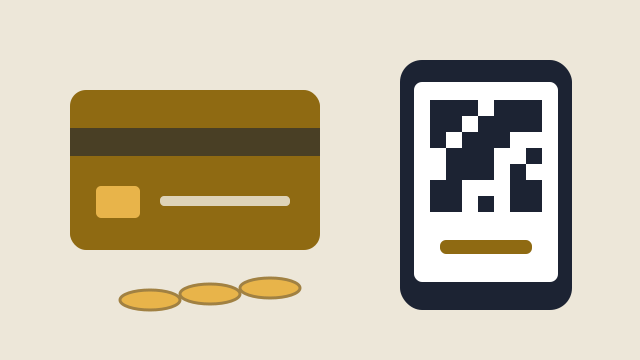
Japan has become much more card-friendly, but it still relies on cash more than most rich countries. The rule of thumb: cards in cities and chains, cash for small, old or rural places.
Where cards and phones work
- Hotels, department stores, electronics stores and chain restaurants.
- Convenience stores, which also take IC cards such as Suica.
- Train ticket machines and station ticket offices.
- Most taxis in big cities.
Where you still need cash
- Small family-run restaurants, ramen shops with old ticket machines and street food stalls.
- Temples and shrines: entry fees, charms and offerings.
- Rural buses, small ryokan and countryside shops.
- Coin lockers and some vending machines (many now take IC cards).
Getting yen
- Convenience store ATMs are the easiest. 7-Eleven and many others accept foreign cards and have English menus, often 24 hours.
- Post office and airport ATMs also accept most foreign cards.
- Your home bank may charge a fee per withdrawal, so take out larger amounts less often.
Avoid the exchange-rate trap
If a card machine or ATM asks whether to charge you in your home currency or in yen, choose yen. Converting to your home currency on the spot usually comes with a poor rate.
IC cards as a wallet
A Suica, PASMO or ICOCA card pays for trains, buses, convenience stores, vending machines and lockers. It is the fastest way to pay for small things. See our IC card guide.
Tipping
There is no tipping in Japan. Leaving money on the table usually leads to staff running after you to return it. Some upscale restaurants and hotels add a service charge to the bill instead.